

Darjeeling: The Tea Kingdom In North India.
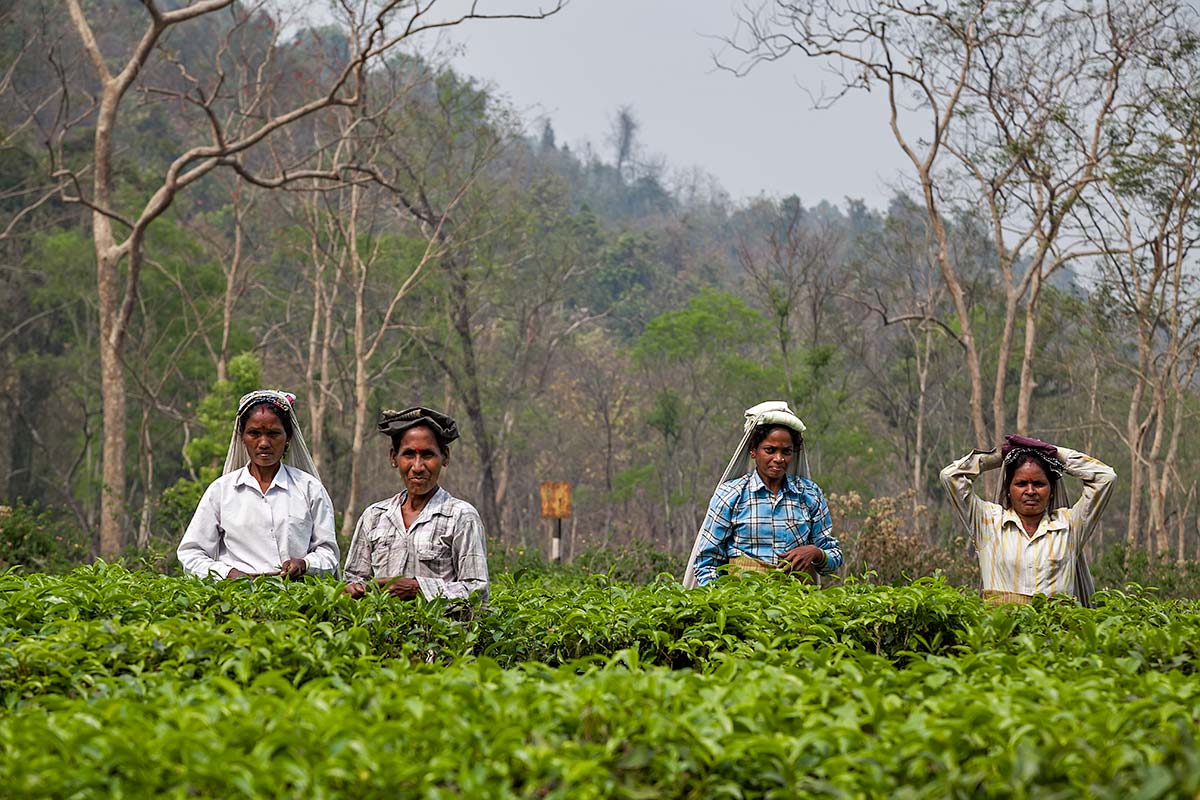
Yes, most of us associate Darjeeling with tea, but not everyone knows that there’s also a little town high up in the hills of West Bengal called with the same name. This town is the center of the “Darjeeling tea production”. Darjeeling is not a special sort of tea, every tea from the region is called “Darjeeling Tea”, whether it’s black, green or white tea.
General Insight Of Darjeeling:
For most travellers visiting this remote region, the stepping off point will be New Jalpaiguri/Siliguri (either arriving by train or air plane). We travelled from Kolkata by train overnight and arrived early in the morning, so there was no rush to get to “Dar”, as it is called by the locals. We negotiated with a few options how to get there because unfortunately the “Darjeeling Express” didn’t run then. The train tracks were a victim of a great landslide in 2010 and are not rebuilt until today. So we decided to go with a taxi driver who told us that he knows the road inside out. After packing everything into the cab, we realized at the first intersection that (again) a little Michael Schuhmacher was behind the wheel. He reassured us that nothing was wrong and speeding was fine. He was in charge and we had no choice but to trust him…
Some days before our arrival there, a leopard had striven into Siliguris urban areas and after getting nervous with the unfamiliar surroundings, killed and badly wounded some locals … We asked our driver about the incident and he told us that he had seen leopards many times while driving up to Darjeeling. He said that there are still many around but unfortunately we didn’t see one.
The road was winding its way uphill and during summer time the area can be covered in thick fog as soon you get to higher altitudes (which was the case when we arrived there). A few route diversion due to landslides are pretty common and these diversions are pretty challenging due to the steep tracks. Our driver couldn’t be bothered … he just used the gas pedal to get the maximum out of the engine to master very steep sections.
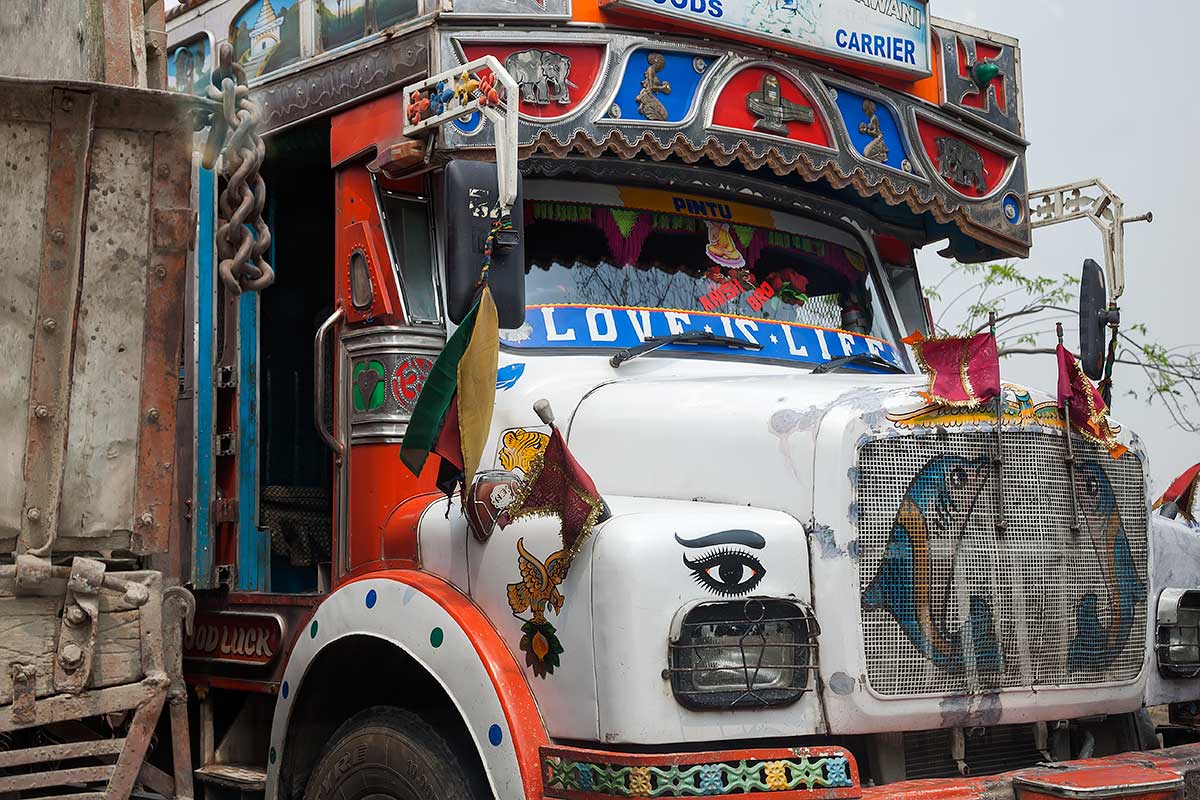
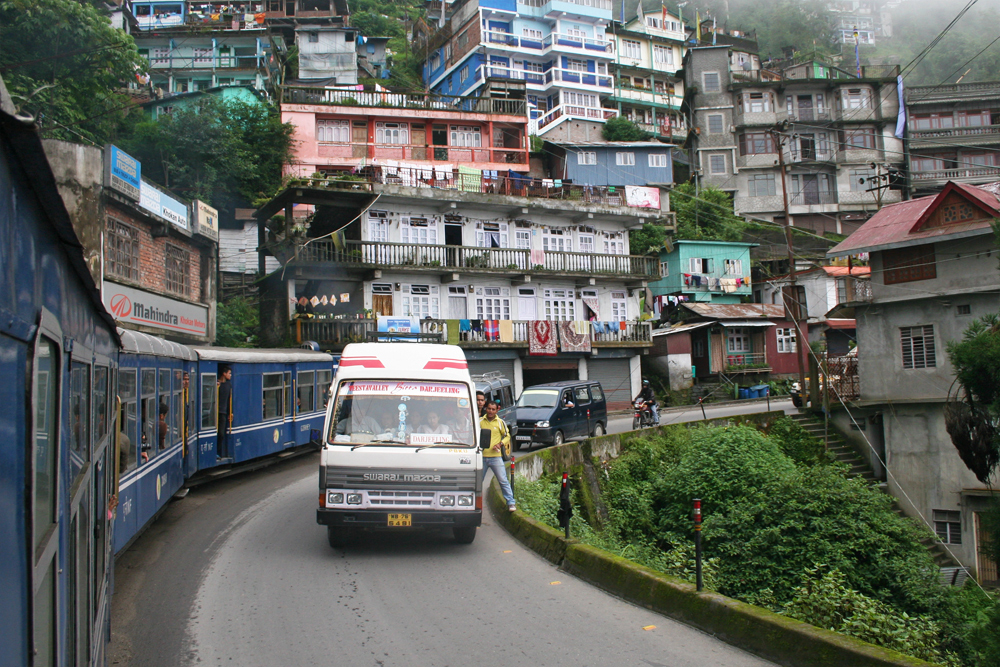
The few villages up the way to Darjeeling looked very beautiful. Pine trees are growing beside the road and the second half of the trip, you start sharing the way with the railway track which leads along the road up to Darjeeling. Traffic is pretty high and sometimes it’s a stop and go when big trucks want to pass and the train steams along. Sometimes the train crosses the street, so all cars have to wait; it’s pure action and very noisy with all the honking.
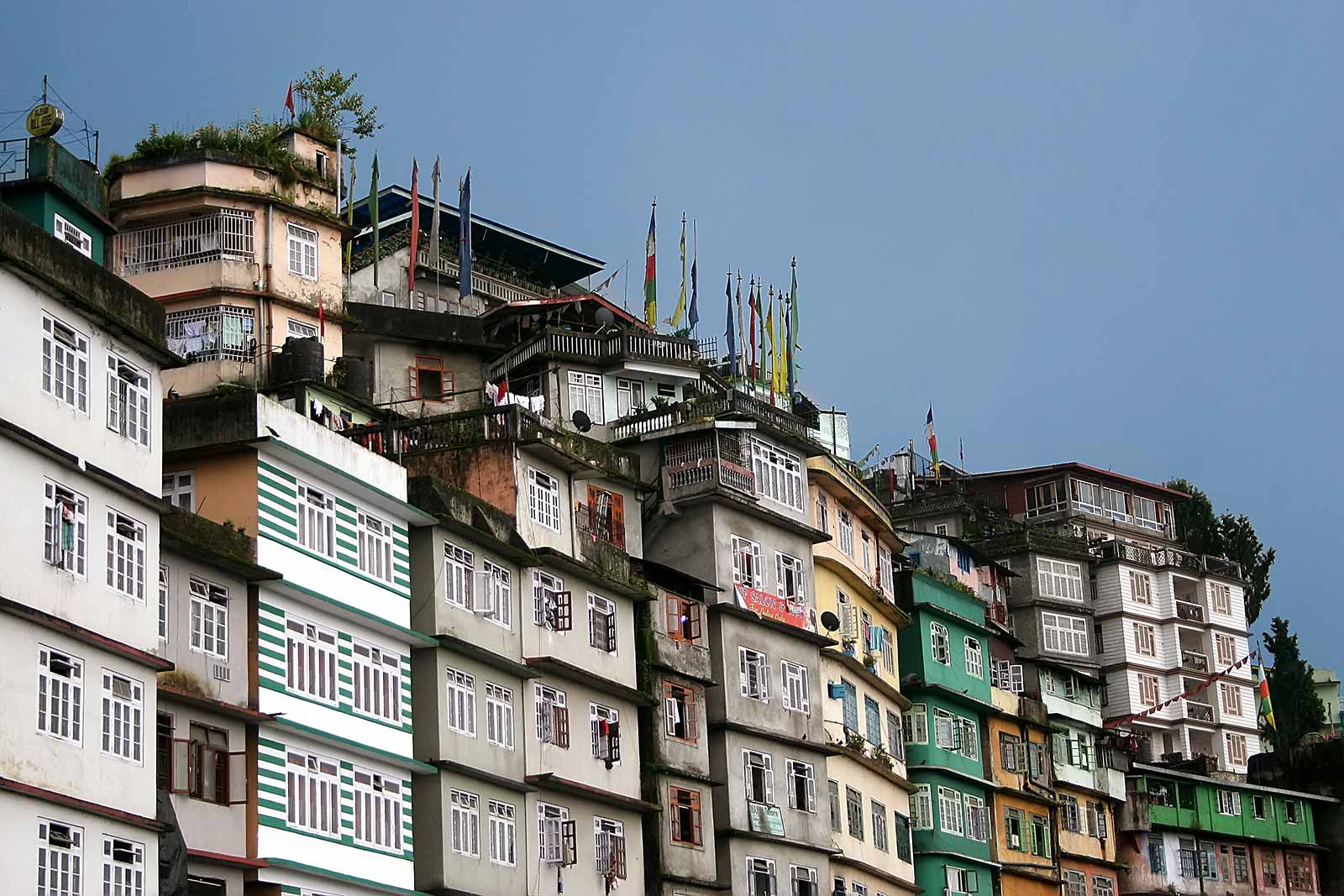
Arriving at the “Towns Square” at the end of the road, we quickly decided to check into the nearby hotel. We were totally exhausted from the trip and one could feel the height as well. We were lucky that our room (even though it very small) had a breathtaking view over Darjeeling. Lots of Hotel can be found in the area, some of them still looking very colonial. You can enjoy High Tea at the “Planters Club” terrace or many other places. The Planters Club has rooms with open fireplaces which is nice, even though everything is a bit aging, but nevertheless still got the colonial charm from the past. Opposite is “Pineridge Hotel”, an interesting example of a bygone era … checking out the rooms of the hotel was a bit spooky to be honest…
Anyway, setting out to check out the town immediately after arrival, we realized that walking around was really tiring. The altitude is about 2200 meters and the area is very steep, so you need good shoes (especially when it rains because then it gets really slippery).
A Toy Train.
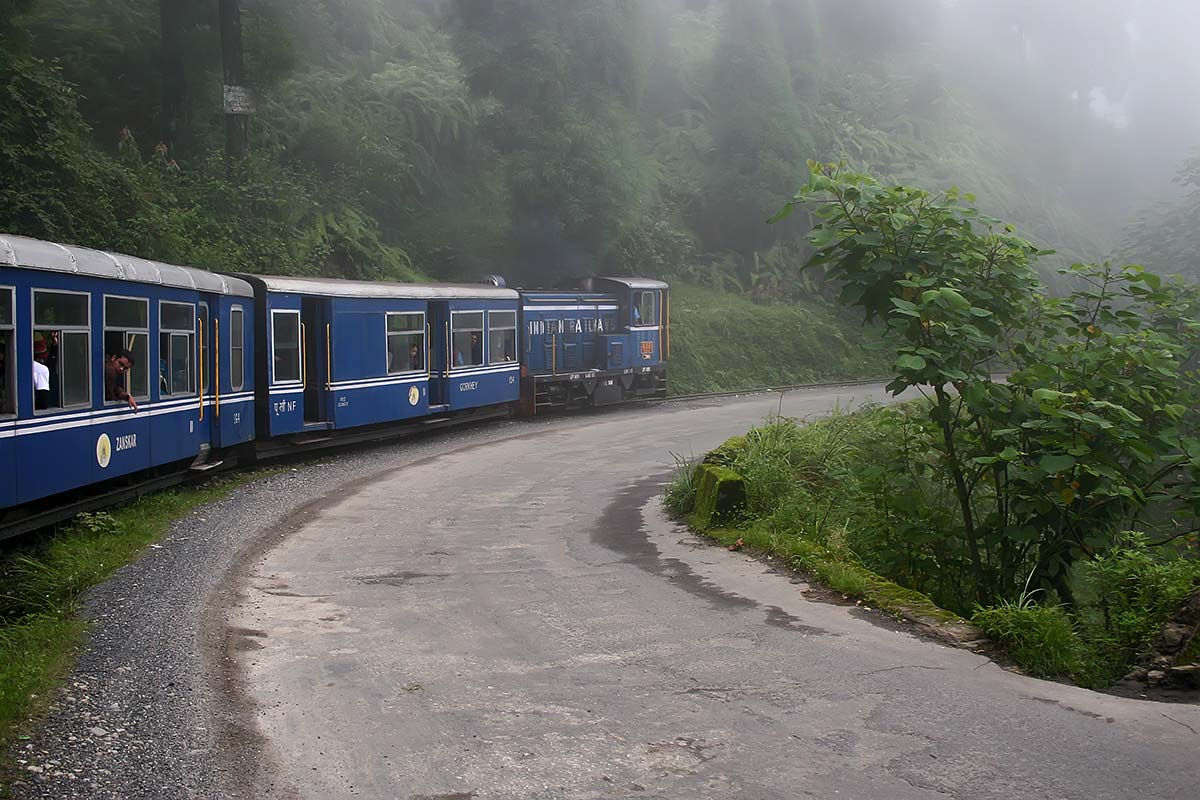
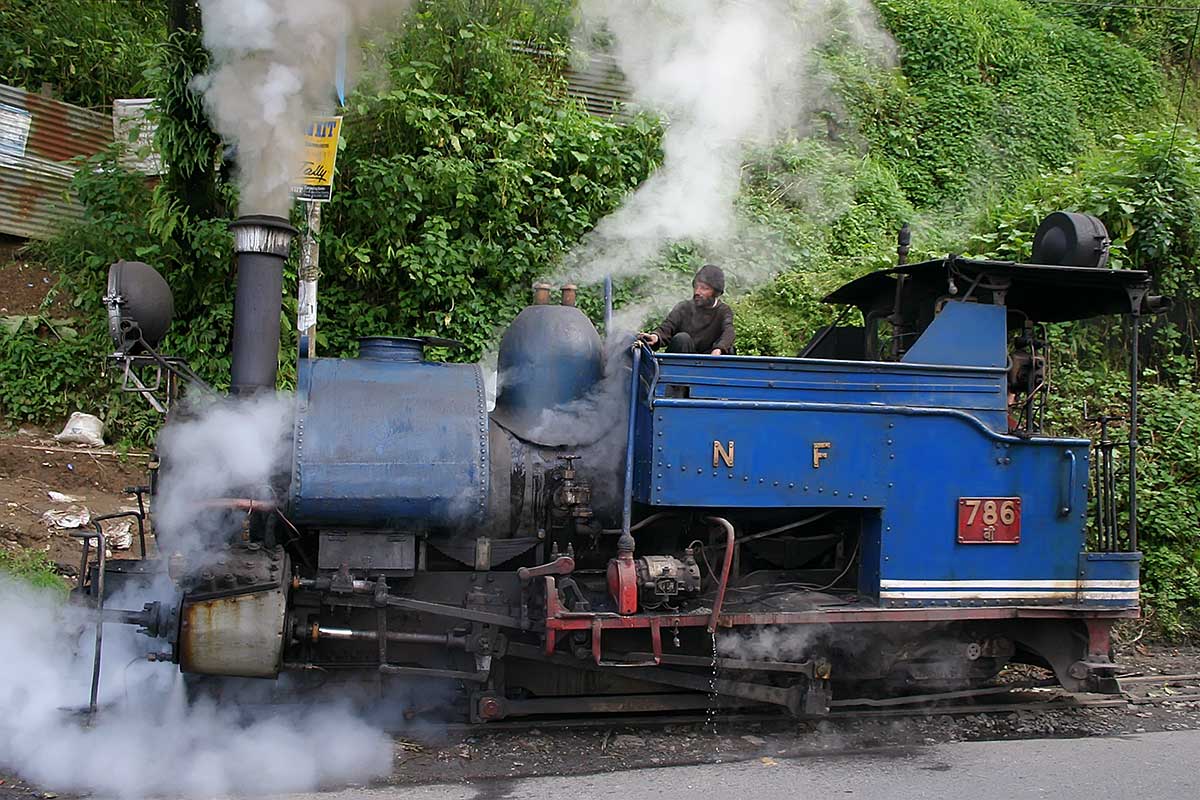
On the next day we took the Toy train in the morning down to Kurseong. The train looks so cute with its little carriages and the station was still original as it was when the British built it around 1880. The steam engine has a very noisy horn, honking constantly to warn people and cars of its passing. Since 1999 the train is a “World heritage”; a real masterpiece of railway construction. When the train passes Batavia loop (and the weather permits), you have a fantastic view above the valley … Another option to see the area is on a horse. You can hire horses and go for day trips into the valleys. But don’t expect to gallop through the area. This is not possible since it’s too steep and the horses walk very slow.
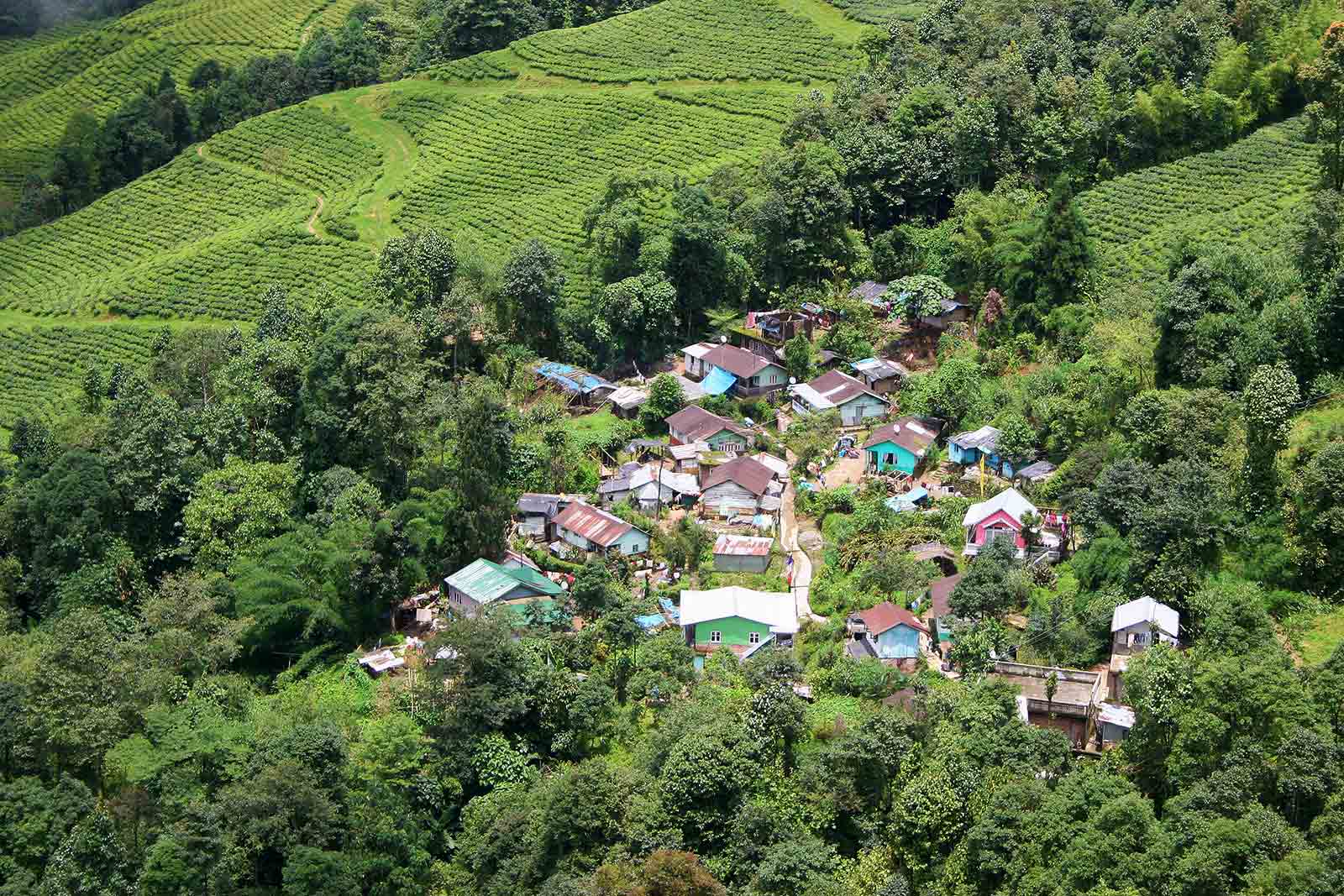
Some Monasteries are along the way and houses are built like eagle nests along the steep roads and everybody is very friendly.
Arriving in Kurseong we got into a little place and ordered some “Momos” – the local speciality. It’s a vegetable mix wrapped in dough and then steamed. Yummy!!! After walking around a little bit, we started our way back to Darjeeling by foot and somewhere along the road we spotted this beautiful huge cannabis plant growing in a front yard … You could smell it immediately and we wondered that it grew just along the main road without anybody around … Finally we stopped a car and drove back up to Darjeeling because its too far to walk all the way back, especially since we planned more walks for the next days…

Join the Discussion
“Darjeeling: The Tea Kingdom In North India.”
Hi, Wayne just told me about your site, pretty nice,miss you!
Thanks heaps Brian! How are you anyway? Still up in Tahoe?